by Vrajesh Shah | Nov 2, 2026 | Blogs
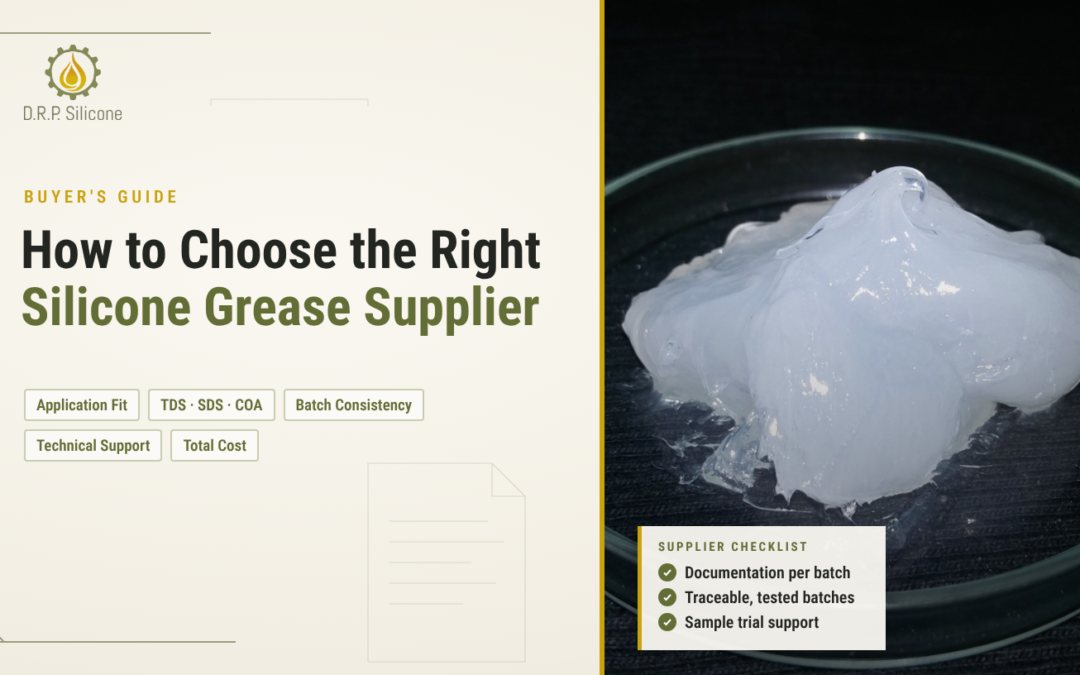
Introduction Silicone grease and speciality lubricants are considered ideal for applications where ordinary petroleum products fail to perform. Silicone grease and speciality lubricants are preferred for extreme temperatures, plastic and rubber contact, electrical...

by Vrajesh Shah | Nov 2, 2026 | Blogs
Introduction Grease is one of the components that works out of sight, inside the bearings and housings. As a result, its problems often go unnoticed until the equipment fails. It is also rarely tested during servicing. The grease problem does not occur from its...
by Vrajesh Shah | Oct 19, 2026 | Blogs
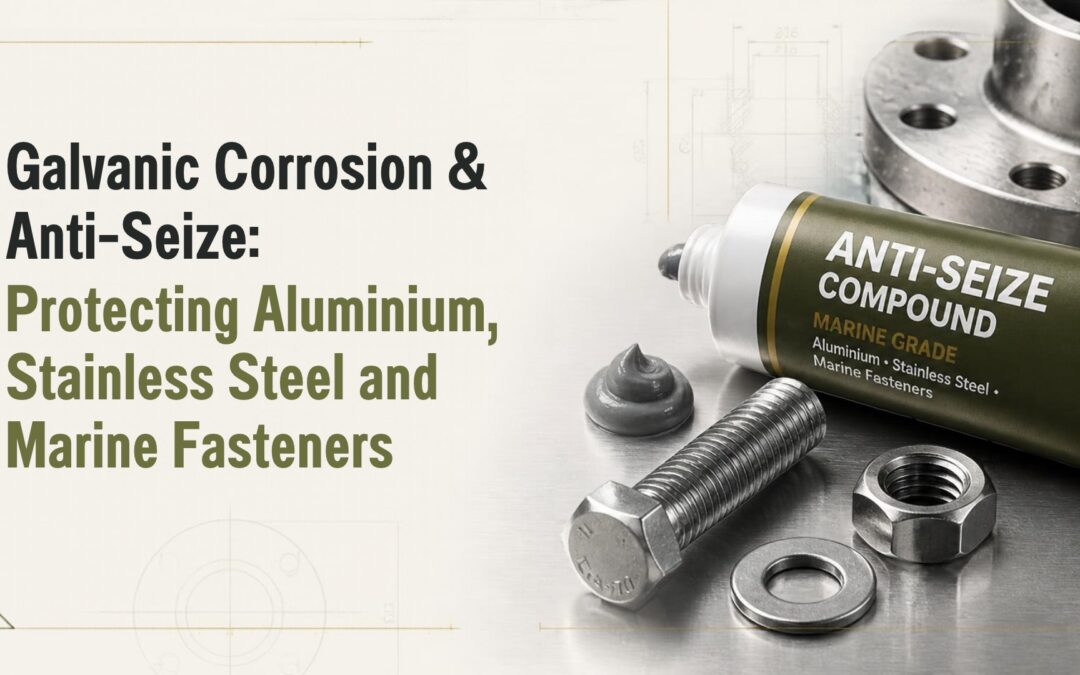
Galvanic corrosion happens when two different metals touch in the presence of moisture or salt: the more reactive metal corrodes faster, and the threads seize. Anti-seize compound helps by separating the threads, filling the gaps where moisture collects, and making...
by Vrajesh Shah | Oct 16, 2026 | Blogs
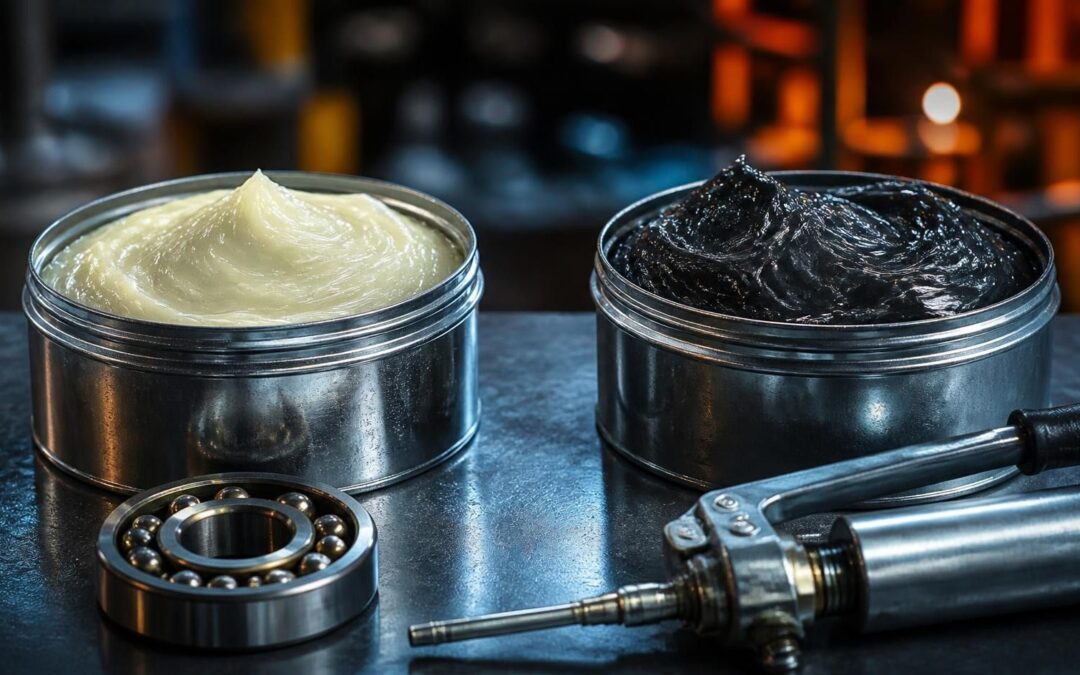
In most cases, no — you should not mix different types of grease. A grease is made of a base oil, a thickener, and additives, and when two greases with different thickeners or base oils are combined, the mixture can soften, harden, or separate into oil and solids,...

by Vrajesh Shah | Sep 24, 2026 | Blogs
Most industrial silicone greases have an unopened shelf life of roughly 2 to 5 years when stored in a cool, dry place away from direct sunlight and temperature extremes. Once opened, shelf life is typically shorter and depends heavily on how well the container is...

by Vrajesh Shah | Sep 24, 2026 | Blogs
Silicone oil, silicone grease, and silicone rubber are three different physical forms of the same base silicone chemistry (polydimethylsiloxane, or PDMS), and each exists to do a different job. Silicone oil is a free-flowing liquid used for lubrication, heat transfer,...