
Blog
Latest News
HT Moly Grease Explained: Composition, Performance & How It Compares to Copper and Aluminium Anti-Seize
HT Moly grease is a high-temperature, extreme-pressure lubricant built on a mineral or synthetic grease base and fortified with molybdenum disulfide (MoS2) solid-lubricant particles. It is formulated to protect metal surfaces under heavy load, high friction, and slow...

Are Silicone Lubricants Environmentally Friendly & Food-Safe? Here’s What the Data Actually Says
Is silicone grease food-safe and biodegradable? Short answer: it can absolutely be food-safe — if it's properly certified — but it is not biodegradable in any meaningful sense. Those are two separate questions, and mixing them up is where most of the confusion about...

Silicone Solutions for Electronics, Semiconductor & EV/Battery Manufacturing: Why the Right Grease Matters More Than You Think
Walk into any semiconductor fab, EV battery plant, or electronics assembly line and you'll find a quiet workhorse that rarely gets credit: silicone grease. It doesn't show up in the marketing brochure or the product spec sheet that customers see, but without it,...

How to Read a Technical Data Sheet for Industrial Greases & Lubricants
Every industrial grease tub and lubricant drum comes with a Technical Data Sheet (TDS) tucked somewhere on the packaging or emailed alongside the quote — a page dense with numbers, acronyms, and test methods that most buyers skim past on their way to the price. That's...

Copper Grease vs. Aluminium Anti-Seize Compound: Key Differences & When to Use Each
Introduction Copper grease and Aluminium anti-seize are one of the most important parts of automotive workshops and industrial maintenance facilities. They might look similar at the first glance as both are applied to fasteners and threaded components to prevent...

High Vacuum Grease vs. Low Vacuum Grease: Which One Do You Need?
If you've ever stood in front of a shelf of lubricants trying to figure out which tube will actually keep your vacuum system sealed, you already know the problem: almost every label says "vacuum grease," but not every grease behaves the same once the pressure drops....

SNK Silicone Non-Reactive Soap Base Grease: What It Is & Where It’s Used
Some products do their job so quietly that you'd never guess how many everyday and industrial parts depend on them. SNK Silicone Grease is one of them. It shows up inside gel pens, plumbing fixtures, electrical connectors, and mechanical seals — always working behind...

LVM Low Vacuum Grease: Applications, Benefits & Where It’s Used
If you've ever worked around a vacuum pump, a lab glassware joint, or a piece of semiconductor equipment, you've probably come across a thick, translucent grease sealing the connections. There's a good chance it was LVM Low Vacuum Grease — one of those unglamorous...
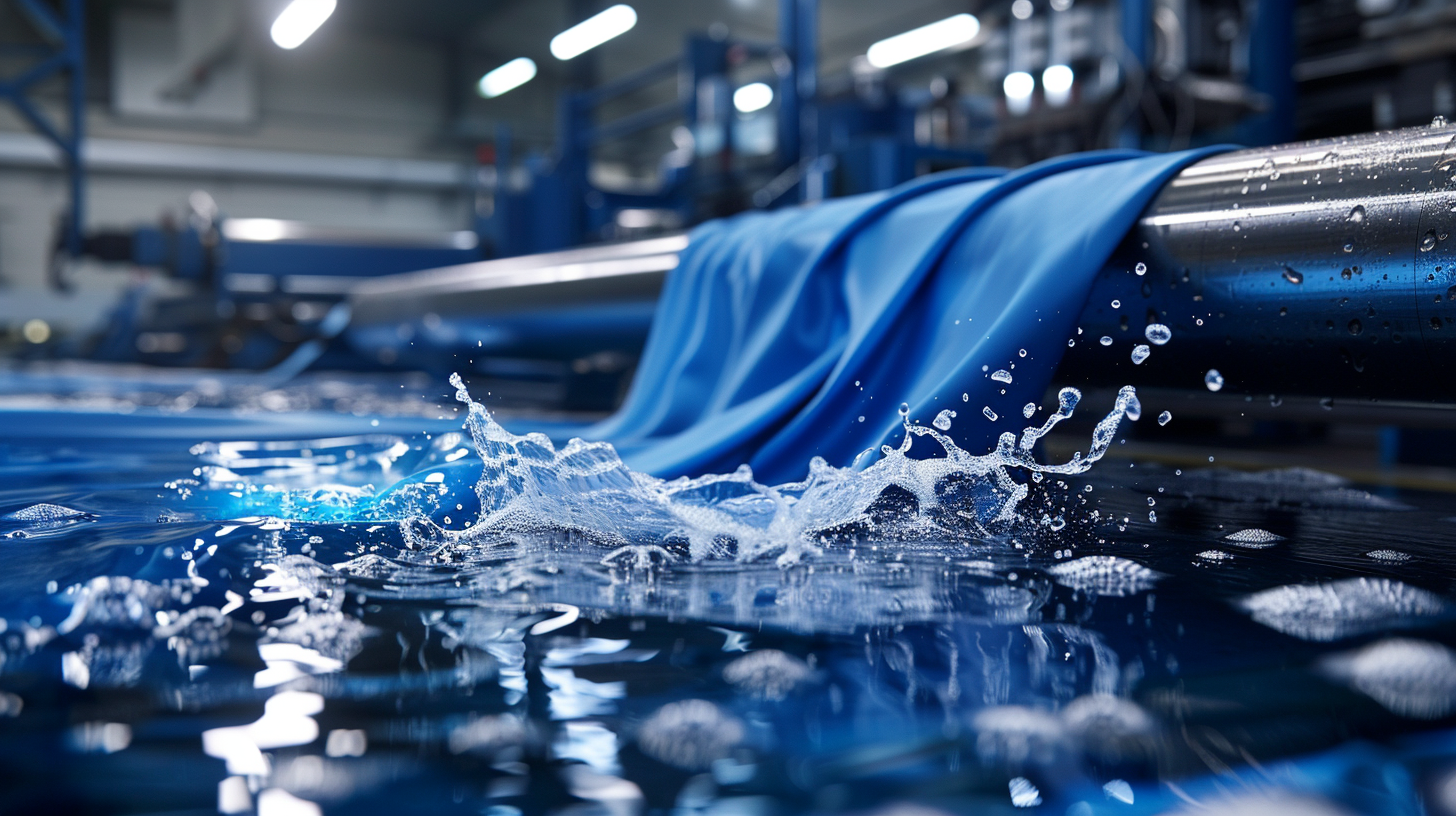
Silicone Emulsion in Textile Processing: Improving Softness, Water Repellency & Fabric Performance
Introduction The textile industry prefers to produce fabrics that offer better feel, last longer, perform under demanding conditions and meet the strict environmental standards. Thus, it is important to get intelligent finishing chemistry to meet all these...
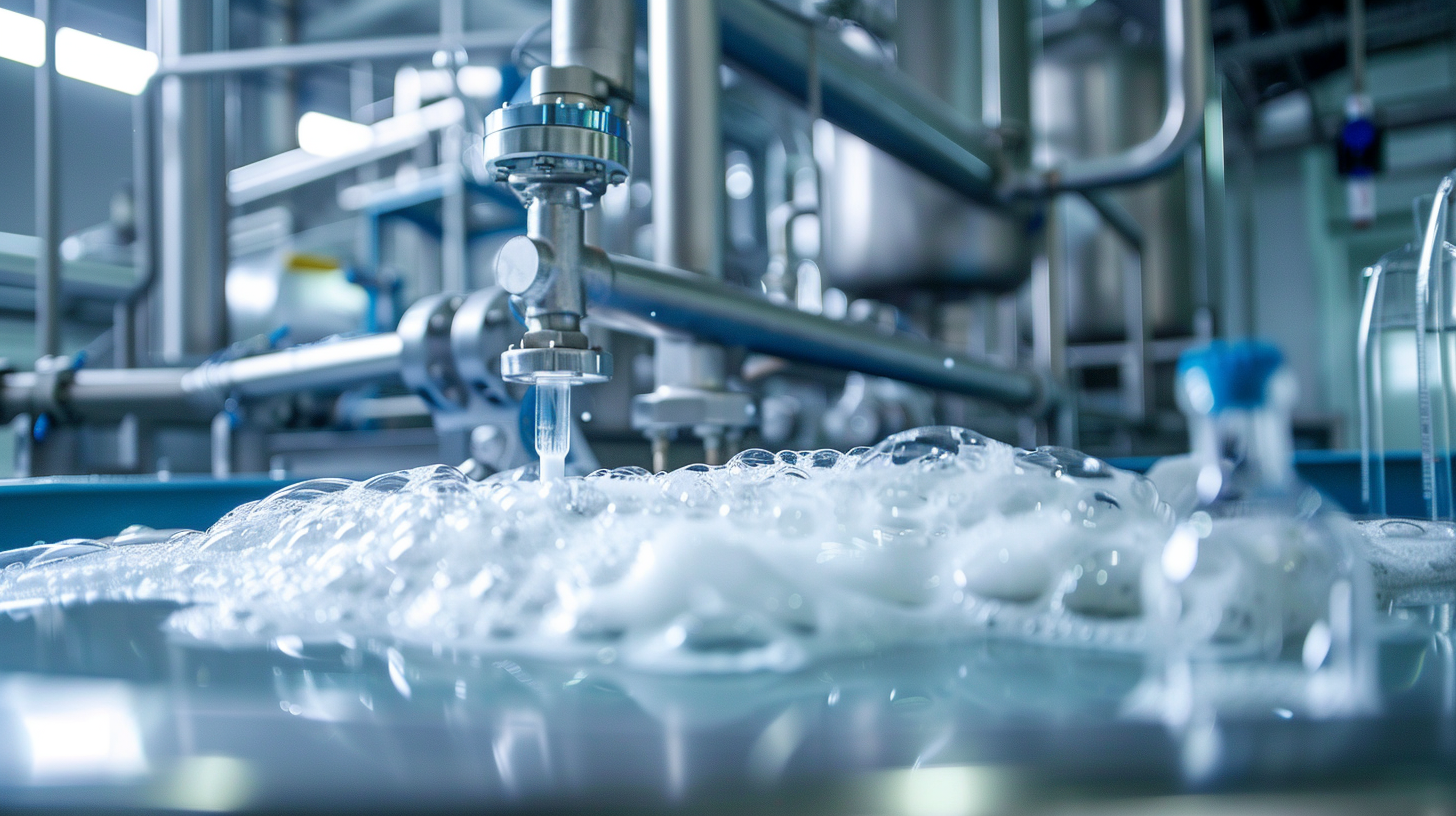
Defoamer Dosage Optimization: How Much Silicone Defoamer Should You Use?
Introduction Foam is considered one of the most common and disruptive problems of industrial processes as it slows down the production, requires equipment efficiency, causes product quality concerns and even leads to safety hazards. To tackle this situation, silicone...