
Introduction
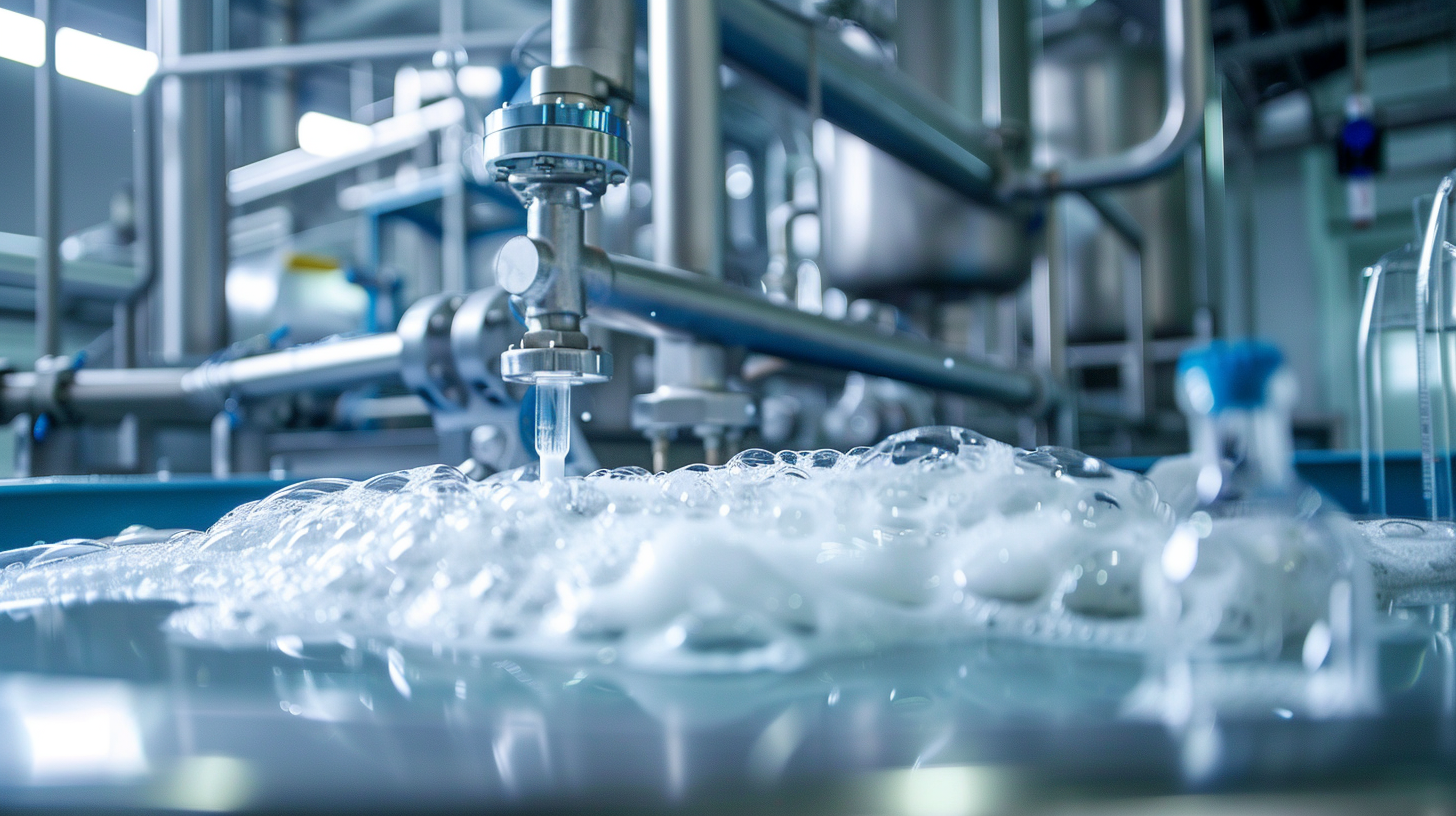
Foam is considered one of the most common and disruptive problems of industrial processes as it slows down the production, requires equipment efficiency, causes product quality concerns and even leads to safety hazards. To tackle this situation, silicone defoamers are one of the most effective tools. However, it is as important to use them correctly as to choose the right one. Many industries assume that using more defoamers to control the foam will offer better results. However, that’s not the case as more is not always better. Silicone defoamers are highly concentrated and even their small amount can be enough to achieve significant foam control. Thus, their dosage should be précised and determined carefully through testing and observation.
Importance of Dosage Optimization
The appropriate dose is not just about controlling the foam. It directly impacts the bottom line and stability of the process. If the defoamer is underused, it allows the persistent foam to disrupt the operations. On the other hand, if the defoamer is overused, it raises various problems like increased chemical costs, potential contamination of the end product, interference in downstream processes and also surface defects of coatings or paper products. This proves that both overuse and underuse of defoamers can lead to inefficiencies and adverse effects. Thus, it is advisable to start from small dosages and then increase it gradually until the desired foam control is achieved. It is also beneficial to refer to the manufacturer’s guidelines as they often provide dosage recommendations according to the type and severity of foams. The main goal of dosage optimization is to find the lowest effective dose for the specific processes so that the foam is reliably controlled without wastage or any side-effects.
Factors Influencing the Right Dosage
There is no universal dosage for silicone defoamers. The right amount of dosage varies depending upon the application and its operating conditions. Below stated are some of the key factors influencing the right amount of dosage:
- Foam Intensity: Processes involving heavy agitation, high turbulence, or large volumes of surface-active substances tend to generate more foam and may require higher dosages whereas the lighter foaming applications require a smaller number of dosages.
- Temperature: Higher temperatures tend to accelerate the action of silicone defoamer which means that one should use less dosage. However, extreme temperatures can affect the stability and dispersion of the defoamer itself.
- pH Levels: The acidity and alkalinity of the system also affect the ability of the defoamer to disperse and how long it can remain effective. This is why; one should always choose silicone defoamers that are compatible with the pH range of the process.
- System Chemistry: The effectiveness of silicone defoamers depend on various factors like the type of foam, its chemical composition and the processing conditions. The presences of surfactants, emulsifiers and other additives in the system can either improve or degrade the performance of the defoamer which directly affects the dosage quantity.
- Process Type: Batch processes tend to require a one-time addition at the start whereas continuous flow systems may demand a steady and metered dosage throughout the process cycle.
Industry Specific Dosage Guidelines:
Below stated are some of the recommended dosage guidelines according to different industries:
- Pulp and Paper: The typical consumption rate of defoamer is between 0.3 to 0.8 kg depending on the per ton of dry pulp. However, this can vary based on specific process conditions, intensity of the foam and the type of pulp being processed. It is advisable to conduct small-scale trials to figure out optimal dosage range for the particular operation.
- Water and Wastewater Treatment: Dosage in wastewater systems ranges from 10 to 100 ppm depending on the intensity of foaming and the type of biological and chemical treatment being applied. Aeration tanks and dissolved air floatation systems are prone to foam and require higher dosage during the loading process.
- Paints and Coatings: Silicone defoamers should be used in less quantity in coating formulations ranging typically between 0.01% to 0.05% by weight. If they are over-added, it can cause defects such as fish eyes or cratering. Thus, precision dosing is extremely important in this sector.
- Chemical Processing and Fermentation: Dosage rate are varied widely in fermentation and chemical reactors. Their starting dosage range is 10 to 50 ppm and adjustments can be made on the basis of real-time foam monitoring.
Monitoring and Adjustment of Dosages
Dosage optimization requires constant monitoring especially when the process conditions change over time. This constant monitoring is crucial to evaluate the effectiveness of the chosen defoamer. The monitoring process involves both visual observation and quantitative measurements. Visual inspection helps in identifying any excessive foaming or foam breakthrough quickly.
It is advisable to start with a lower dosage and then gradually increase it until the desired foam suppression is achieved. This avoids over-application and minimizes the chances of increased costs and potential downstream issues. It is also beneficial to keep a dosage log that records operating conditions alongside foam levels and defoamer consumption. This makes it easier to identify trends and optimize over time.
Another important step is to assess the long-term performance of the defoamer in one’s application as changes in processing conditions, formulations, etc. can impact the effectiveness of defoamers. Thus, it is important to review and adjust the defoaming strategy to maintain optimal foam control.
Take Away
This is the brief explanation about the importance of dosage optimization of silicone defoamers. We hope this information will be effective for you. Please let us know through your valuable feedback and the suggestion in the drop box.