Are you facing trouble with the formation of foam during the Industrial process? Here is the final solution for the trouble.
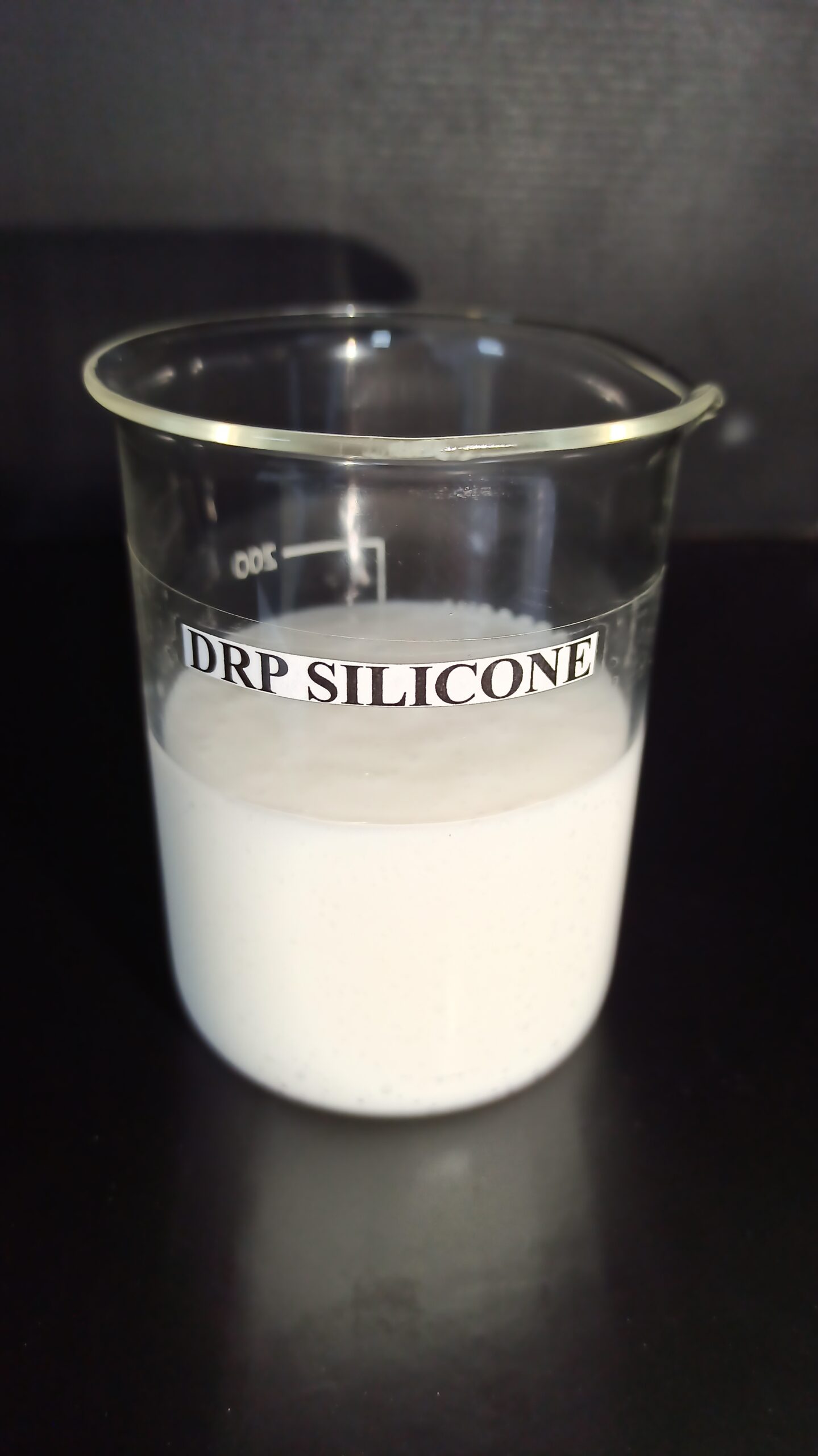
Chemical called silicone defoamers are used in industrial operations to lessen and even eliminate foam production. By dispersing throughout the foam bubbles' surface, these defoamers cause them to become unstable and collapse. Across a range of sectors, silicone defoamers are preferred for their efficacy and efficiency.
Without a doubt! A defoamer (which is also referred to as an anti-foaming substance) is a chemical additive used in manufacturing processes to reduce or avert the production of foam in liquids. Here are some significant facts about silicone-based defoamers.
The mechanism of Action:
Silicone defoamers act by spreading across the outer layer of foam bubbles, making them unstable and forcing them to disintegrate. This technique avoids the production of new foam while breaking down old foam, thus ensuring manufacturing processes run efficiently.
The Chemical Properties:
Silicone defoamers are efficient because of their distinctive chemical qualities, such as minimal surface tension and hydrophobicity. These qualities enable them to easily spread across foamy surfaces, shattering the foam composition.
Composition Silicone-based defoamers are composed of polymers having silicon backbones. They can be ingested as an oil- or water-based emulsion. The silicone compound usually consists of hydrophobic silica distributed in a silicone oil. Emulsifiers have been added to ensure the silicone distributes well in the foaming media.
Silicone defoamers have industrial use.
Chemical Manufacturing and Processing: Silicone defoamers allow us to regulate foam in chemical processes, thereby boosting productivity and the quality of the finished product.
Oil and gas industry: They aid in foam stabilization throughout drilling and refining processes, hence increasing operational safety and effectiveness.
Silicone defoamers minimize foam formation in wastewater management plants, increasing its effectiveness while minimizing overflow troubles.
Consumer applications
Household Cleaning Products: Defoamers are added to detergents and cleansers to minimize foam and improve cleaning efficiency.
Silicone defoamers control foam in food manufacturing lines and packaging processes, ensuring that operations run smoothly.
Personal Care and Cosmetic Products:
They are used in shampoos, lotions, and other cosmetics to reduce foaming during processing and the application, resulting in product consistency as well as effectiveness.
To summarize, silicone-based defoamers are long-lasting, credible, and highly efficient solutions for foam control in manufacturing operations.
What is a silicone defoamer and how does it work?
A silicone defoamer is a specialised chemical additive designed to eliminate unwanted foam in liquid systems, particularly where foam interferes with processing or product quality. It works by rapidly spreading across the foam surface and disrupting the thin liquid films that trap air, causing the foam bubbles to collapse. This is achieved because silicone-based compounds have extremely low surface tension, allowing them to penetrate foam films more effectively than most other agents.
Unlike simple anti-foam additives that only prevent foam from forming, silicone defoamers actively break down existing foam and stabilisation structures in the liquid. This makes them especially effective in dynamic industrial environments where agitation and aeration constantly generate new foam.
In which industries is silicone defoamer most commonly used?
Silicone defoamers are versatile and find application across many sectors experiencing foam-related challenges. Common use cases include:
- Wastewater treatment, where excessive foam can hinder aeration efficiency and equipment function
- Textile manufacturing, for foam control during dyeing, washing, and finishing processes.
- Paints and coatings, to ensure uniform application and defect-free surfaces.
- Chemical and industrial processing, where foam can disrupt mixing and reaction control.
- Food and beverage processing, where foam interferes with fermentation or filling operations.
This broad applicability stems from the inherent stability and effectiveness of silicone defoamers, especially in highly agitated or complex liquid systems.
What factors should I consider when choosing a silicone defoamer?
Choosing the right silicone defoamer depends on several variables in your specific process:
Foam intensity: Light foam may require a milder formula, while heavy, persistent foam demands stronger activity.
System chemistry: pH, temperature, and the presence of surfactants influence performance — some silicone defoamers are engineered for extreme conditions.
Application medium: Water-based systems often respond differently than oil-based ones, so ensure compatibility.
Dosage and cost efficiency: Because silicone defoamers are effective at very low concentrations, the correct product can offer significant cost advantages.
Evaluating these factors will help you select a formulation that delivers consistent foam control without compromising other process requirements.
Are silicone defoamers safe and environmentally compliant?
When formulated and used as intended, silicone defoamers are chemically stable, non-toxic, and inert, meaning they do not react with other compounds in your process and are generally safe for operators. The core silicone components do not easily degrade or produce harmful by-products under normal conditions.
Environmental compliance depends on application and disposal regulations in your jurisdiction, but many modern defoamer formulations are engineered to minimise residue and meet industrial safety standards. Following recommended handling and disposal practices ensures both worker safety and environmental responsibility.
How do silicone defoamers differ from other defoaming agents?
Silicone defoamers are distinct in their performance characteristics and mechanism of action:
- They typically have lower surface tension than organic or mineral oil defoamers, which allows them to spread more effectively across foam films.
- Silicone formulations remain effective under wide temperature ranges and agitation conditions, maintaining defoaming action where other agents may break down.
- Silicone defoamers also tend to offer greater persistence, reducing the frequency of re-application.
In contrast, non-silicone alternatives may be preferable in applications prioritising biodegradability or cost over performance intensity. Matching the defoamer type to your operational demands ensures optimal results.