
Introduction
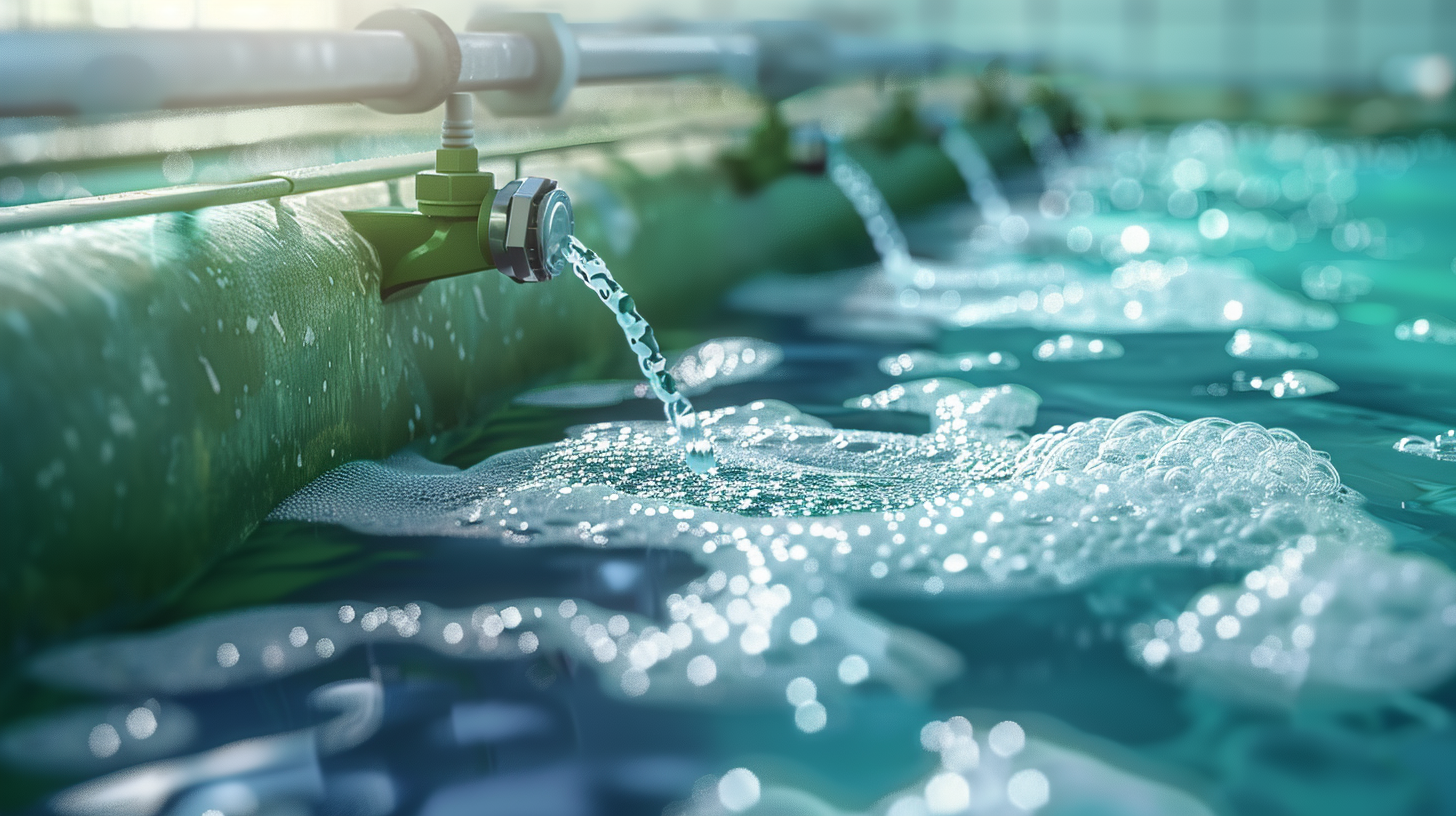
Water is considered a fundamental resource of life. It is also an essential element in various industrial processes. Thus, wastewater management is really crucial for the safe discharge and reuse of water. Foam formation in wastewater treatment plants is one of the challenges that can lead to various problems such as operational inefficiencies, reduced treatment capacity and other potential hazards to the environment. Foam formation is a biological phenomenon in activated sludge systems where organic matters are decomposed by microorganisms. However, the presence of this foam can lead to issues such as hindering oxygen transfer, disrupting the settling processes and causing overflowing issues. Therefore, controlling the foam formation is a vital process of wastewater treatment facilities.
Silicone Defoamers
Silicone defoamers are the types of defoamers. They are primarily composed of polydimethylsiloxane along with other silicone compounds. They are considered highly effective at low concentrations and are known for providing foam control for a longer period of time. They are preferred in wastewater treatment facilities due to their stability and minimal impact on the environment.
Applications of Defoamers in Wastewater Management
Below stated are some of the key applications of silicone defoamers in wastewater treatment facilities:
- Activated Sludge Processes: In activated sludge processes, foam is formed when the organic matter of biological degradation by microorganisms generates gases. Here, defoamers are added in the matter to control the foam levels and ensure efficient biological activity and settling.
- Membrane Bioreactors (MBRs): MBRs is a combination of biological treatment and membrane filtration to produce high-quality effluent. In this process, foam control is essential to prevent the membrane from fouling and maintaining a stable operation. Defoamers help in reducing foam-related issues and improves the overall performance of MBRs.
- Anaerobic Digestion: During the anaerobic digestion process, the decomposition of organic matter tends to produce biogas which leads to foam formation. Here, defoamers are used to control the foam, prevent it from overflowing and ensure stable production of biogas.
- Industrial Effluents: Industrial wastewater contains high concentrations of surfactants which results in to high foam formation. Here, the main function of defoamers is to reduce the foam levels and enhance the efficiency of the treatment process.
- Cooling Water Systems: In the cooling water systems, foam leads to operational problems and reduces the efficient transfer of the heat. Here, defoamers are added to control the foam and ensure proper performance of these cooling systems.
Environmental Impacts of Using Silicone Defoamers in Wastewater Treatment Facilities
Silicone defoamers are key factors in the foam controlling process of wastewater treatment. However, their usage has various environmental implications that are stated below:
- Chemical Residues: Defoamers tend to leave chemical residues that can accumulate in the environment and affect the aquatic life ecosystems. It is important to ensure the biodegradability and low toxicity of the defoamers to reduce these impacts.
- Bioaccumulation: Some defoamers such as those having hydrophobic characteristics tend to bioaccumulate in the food chain. This can pose risk to aquatic organisms and higher tropic levels. However, one should look for defoamers that match the regulatory standards and help in reducing bioaccumulation.
- Impact on Treatment: If the defoamers are used in an improper manner, it can interfere with biological treatment processes by affecting microbial activity and overall treatment efficiency. Thus, it is important to optimize the defoamer dosage and ensure its compatibility with the treatment systems.
- Disposal and Degradation: The spent defoamers should be disposed and degraded correctly to prevent the environmental contamination. It is advisable to use advanced treatment and disposal methods to help these challenges.
Best Practices for Defoamer Usage in Wastewater Treatment Facilities
Below stated are some of the tips to use defoamer in a correct manner to maximize its effectiveness and reduce their environmental impact:
- Proper Dosage and Application: It is important to optimize the dosage and application of defoamers to control the foam formation without overusing it. Thus, it is essential to monitor and adjust the foam levels and operational conditions based on the requirements of the applications.
- Compatibility Assessment: It is essential to assess the compatibility of the defoamers with the waterwaste treatment facilities and its components to avoid adverse interactions and disruptions.
- Environmental Conditions: It is advisable to select defoamers that are biodegradable, low in toxicity and environment friendly. This can reduce their adverse impact on the environment. One should also select the defoamer that matches the regulatory standards to ensure responsible usage.
- Regular Monitoring and Maintaining: Regular monitoring and maintenance of the program helps in detecting foam formation early and allows time for intervention which can result in to continuous and efficient treatment.
Future Trends and Innovations in Defoamer Technology
Below stated are some of the future trends of defoamers technology that can address the emerging challenges and improves the wastewater treatments:
- Bio-Based and Green Defoamers: Bio-based and green defoamers are derived from renewable sources and specifically designed for biodegradability which make them a sustainable alternative.
- Nanotechnology: Nanomaterials tend to provide unique properties such as improved surface areas and enhanced dispersion which holds on to the promise of defoaming efficiency and stability.
- Smart Defoamers: Smart defoamers are designed to respond to specific conditions such as changes in pH levels, temperatures, etc. These defoamers can help in optimizing dosage and reducing wastage.
Take Away
This is the brief explanation about silicone defoamers and their importance in wastewater treatment facilities. We hope this information will be effective for you. Please let us know through your valuable feedback and the suggestion in the drop box.