
Introduction
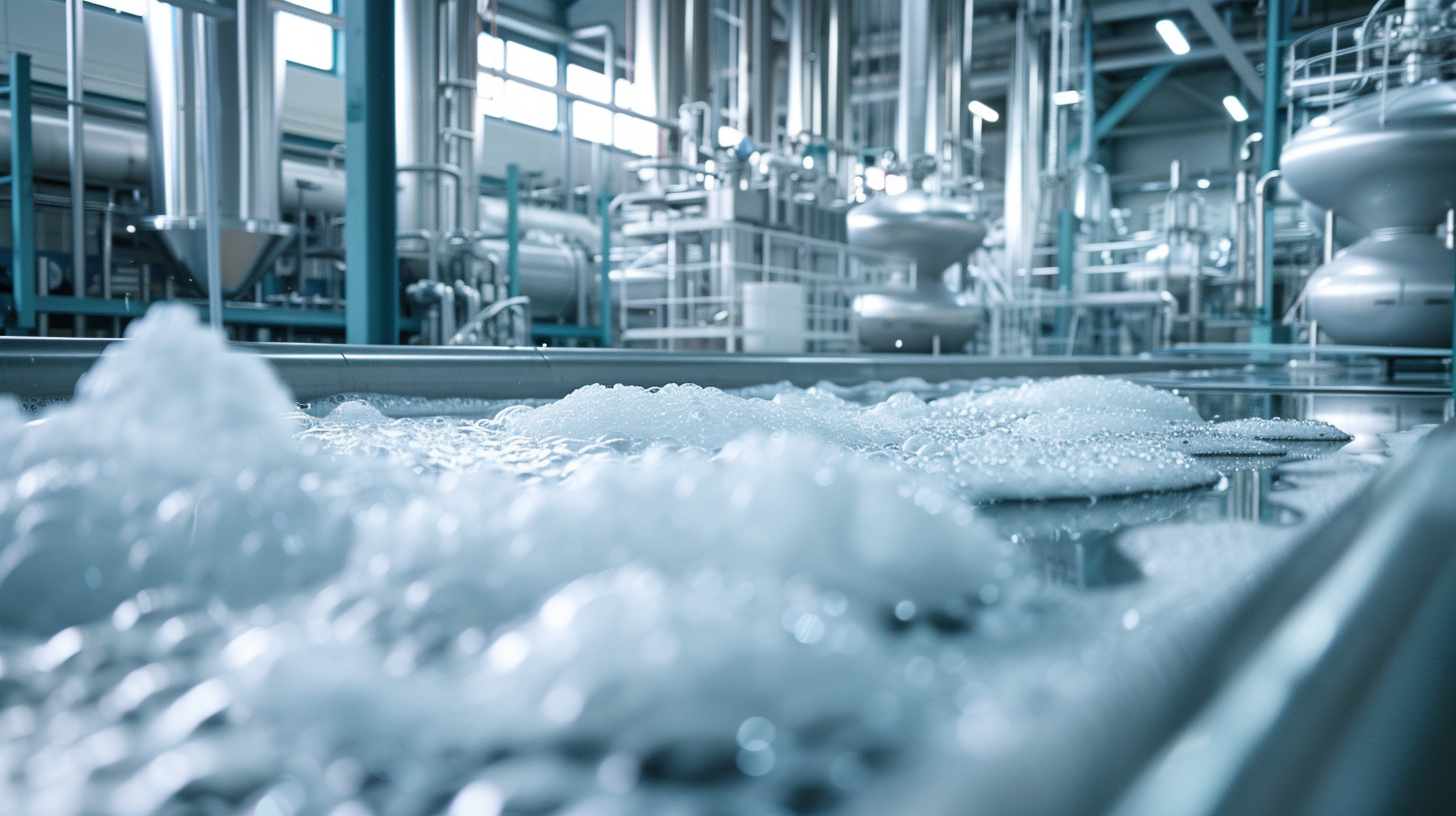
Foam is one of the major inconveniences in the industrial process as it affects the efficiency, quality and reliability of the operations. Choosing correct defoamers is an essential step for maintaining optimal production levels. Defoamers are also known as anti-foaming agents as they help in minimizing or eliminating foam formation which leads to smoother and uninterrupted operations. There is a huge demand for these defoamers in the modern world across various industries making it essential to choose the best defoamer for one’s specific application.
Silicone Defoamers
Silicone defoamers are based on polydimethylsiloxane (PDMS) oils, silica and other active agents. They are known for their abilities such as low surface tension, excellent thermal stability and chemical inertness. These abilities allow them to function in an effective manner even across a wide range of temperatures and harsh environments. Silicone defoamers are also known for breaking the existing foam and preventing it from reoccurring.
Why to Choose Silicone Defoamers
Silicone defoamers are known for offering superior performance and long-lasting effects. Below stated are few reasons why silicone defoamers are preferred by the industries:
- Superior Persistence: It offers long-lasting control to foam generation due to the hydrophobic nature of silicone.
- Wide Applicability: It is used in the wide range of industries such as oil and gas, textile, paper, detergent, chemical processing, etc.
- Temperature Stability: Silicone defoamers tend to perform consistently even in difficult situations and harsh environments such as high and low temperatures.
- Chemical Inertness: Silicone defoamers do not mess with other chemical processes and offer smoother operations.
Non-Silicone Defoamers
Non-silicone defoamers consist of a diverse range of combinations such as mineral oils, vegetable oils, fatty alcohol, etc. They are less expensive in comparison to silicone defoamers and are required in higher dosage to achieve the desired result. Non-silicone defoamers can be considered ideal for specific applications but face limitations in terms of thermal stability and chemical resistance.
Why to Choose Non-Silicone Defoamers
Non-silicone defoamers are considered ideal for industries such where surface finish, paint adhesion and food safety are extremely important. Below stated are few reasons why non-silicone defoamers are preferred by the industries:
- Cost-Effectiveness: Non-silicone defoamers are cheaper and more budget-friendly in comparison to silicone defoamers.
- Residue-Free Performance: It does not have a risk of silicone film that can affect the coatings or adhesives.
- Eco-Friendly Potential: Most non-silicone defoamers are biodegradable and eco-friendly making it ideal for environment conscious applications.
How To Choose the Correct Defoamer Option for One’s Application
Below stated are some of the steps to be followed while choosing the correct defoamer:
- Identifying Special Application Requirement: While choosing the defoamer, it is inevitable to evaluate the specific requirements of one’s process. This means, one needs to understand the nature of foam such as persistent or temporary chemical compositions of the foam, and their operating conditions. The physical and chemical properties of the defoamer should align with the operating environment in terms of temperature ranges, PH levels, and compatibility with other materials.
- Evaluating Conditions and Characteristics of the Foam: An in-depth assessment of the characteristics of the foam can act as a guide while selecting the correct defoamer. Some of the factors that can influence the performance of these defoamers are foam stability, density and presence of surfactants. Thus, considering all these factors can help one in choosing between silicone and non-silicone defoamer for the application.
- Criteria for Choosing the Correct Defoamers: After having a clear understanding of one’s application needs, another step is to test certain potential defoamers. There are certain criteria to be considered during the testing process such as efficacy of the defoamer, ease of use, and its compliance with industry standards and regulations. It is also advisable to consult a defoamer supplier or specialist who can provide valuable insights about unique requirements that can streamline the process.
- Consulting a Defoamer Specialist: Consulting a defoamer specialist can be really helpful in terms of gaining industry knowledge as the experts can recommend previously tested products that were effective in similar scenarios. These specialists can also inform you about the emerging trends and innovations in the market and ensure that your industrial processes are benefitted from the recent improvements.
How to Test the Defoamers Effectively
Below stated are the two ways to test the defoamers effectively for one’s application:
- Simulating Processing Conditions: It is important to conduct a benchtop test before finalizing the defoamer. This test determines the actual processing conditions in a controlled environment and evaluates the performance of the defoamers. The few factors of this test that can help in choosing the defoamers are foam height reduction, persistence and stability.
- Measuring Defoamer Performance Indicators: Benchtop testing also provides data about key performance metrics. There are few parameters that can help you in choosing the correct defoamers and making decisions for your applications. These parameters are reduction in foam volume, speed of the knockdown and longevity of defoaming effect.
Factors to Be Considered While Choosing the Defoamer
Below stated are 4 key factors that should be kept in mind while choosing defoamer for your application:
- Context of Application: Aspects such as type of industry, application process and foam severity should be considered.
- Environmental Considerations: The defoamers should be bio-degradable and eco-friendly.
- Chemical Compatibility: The defoamers should not interfere with the formulation process.
- Processing Conditions: Aspects such as PH level, temperature and system dynamics should be considered.
Take Away
This is the brief explanation about how to choose the correct defoamer for your application and which factors to be kept in mind. We hope this information will be effective for you. Please let us know through your valuable feedback and the suggestion in the drop box.