
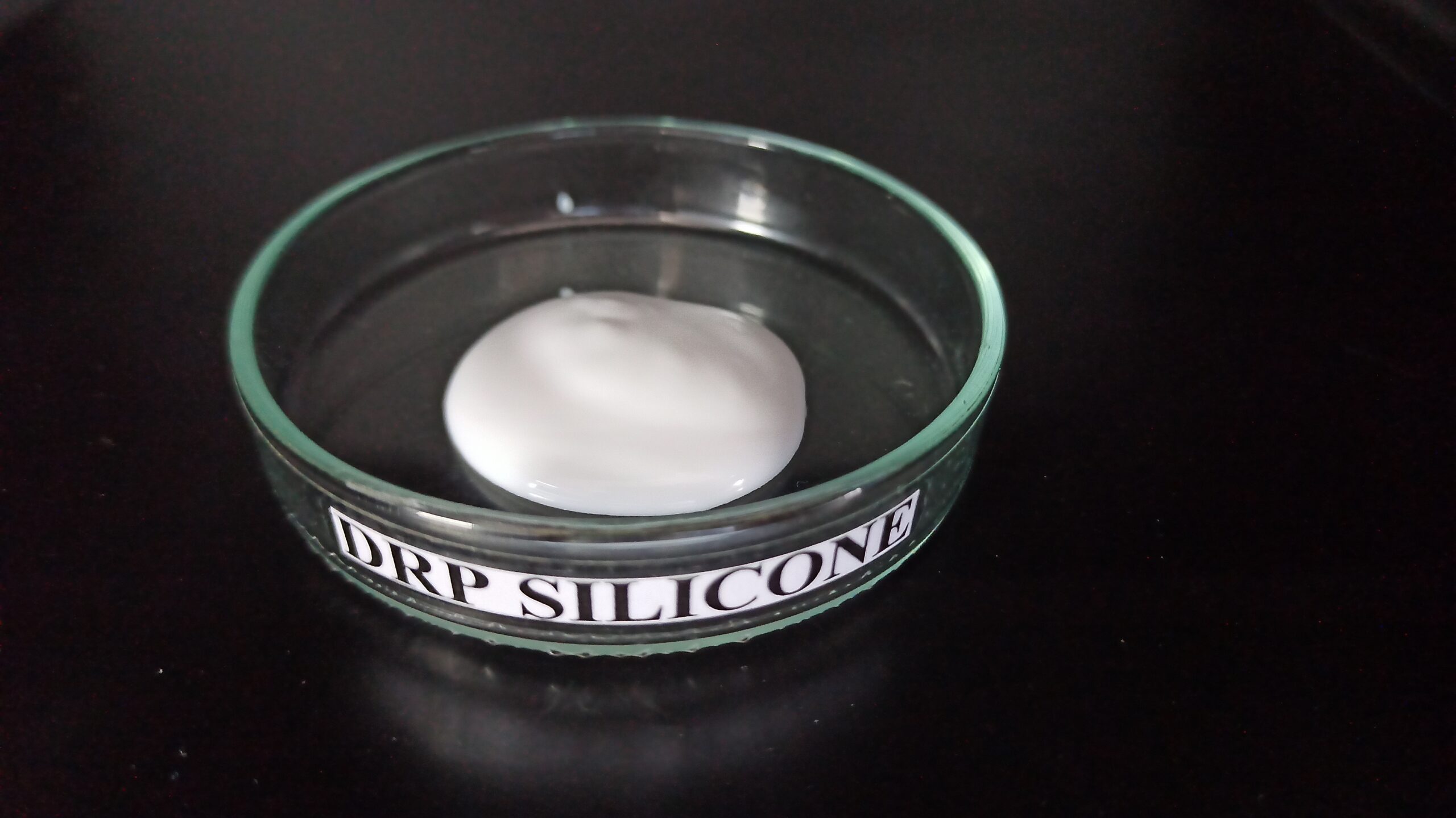
Silicone emulsions consist of silicone oils disseminate in an aqueous medium.
Non-toxic and heat-stable compounds obtained through disseminating silicone oil in a liquid that is usually water, with an addition of a surfactant.
Applied in applications that take make use of their natural physical characteristics, including as nonstick, antistatic, and water resistant.
Suitable for applications in industries where lubricating, gloss, antistatic, safeguarding, and releasing qualities are beneficial.
Technical features of silicone emulsions:
Silicone emulsions make it easier to make use of silicone, resulting in greater operations and product efficacy. The most essential characteristics in a silicone emulsion are:
pH
Because non-ionic emulsifiers are routinely utilized, the pH of silicone emulsions is rarely a critical characteristic. pH variations do not destabilize the emulsion, but they can have a direct effect on the final composition into which the emulsion is combined Silicone emulsions are often adjusted to a neutral pH to prevent the need for further changes in the finished product.
Viscosity
Viscosity quantifies the fluidity of a silicone emulsion. Silicone emulsions formed from silicone fluids have low or very low viscosities, usually less than 1000cps, resulting in highly fluid materials. A low viscosity signifies that the substance is well-emulsified and contains small particle sizes.
Stability
Well-manufactured silicone emulsions are products with stability that may be preserved for long periods of time without separating or becoming unstable.
Several silicone emulsions can endure freeze-thaw cycles, which renders them appropriate for usage in extremely cold areas.
Particle Size
Silicone emulsions often have small particle sizes, which contributes to their stability. The emulsion becomes more stable as the particle size decreases.
Wetting
Silicones may generate wetting concerns precisely because of their intrinsic characteristics. When utilized as coatings, they might end up in uneven coverage or surface imperfections.
Toxicity
Silicone oil, the primary constituent of silicone emulsions, cannot be regarded as harmful or hazardous. The discharge of silicone emulsions into wastewater rarely causes troubles because the silicone becomes settled with the purification sludge, bringing about non-classified residue.
What exactly is a silicone emulsion and how does it differ from silicone oil?
A silicone emulsion is a water-based dispersion in which tiny droplets of silicone oil are suspended using emulsifiers. Unlike pure silicone oil, which is thick and difficult to work with on its own, emulsions make silicone properties easy to apply, dilute, and integrate into water-based systems. Silicone emulsions retain the performance benefits of silicone — such as lubrication, water repellency, and surface enhancement — while being safer and simpler to handle in industrial or formulation processes.
What are the most common industrial applications for silicone emulsions?
Silicone emulsions are among the most versatile performance chemicals used across industries. They are applied as:
Lubricants and anti-slip agents in manufacturing.
Mould release and surface conditioners in rubber and plastics processing.
Water-repellent or protective additives in paints, coatings, and textiles.
Gloss or finish enhancers in polishes and surface treatments.
Their water-based design also supports easy dilution and formulation within other products.
How should silicone emulsions be stored and handled to maintain quality?
To ensure stability and performance:
Store in a cool, dry place away from direct sunlight or extreme heat.
Keep containers properly sealed to prevent contamination.
Avoid freezing conditions, which may destabilise the emulsion.
Use within the manufacturer’s recommended shelf life.
Because silicone emulsions are generally water-based and inert, they are less hazardous than solvent-based counterparts, but following storage guidelines ensures product reliability over time.
Can silicone emulsions be blended with other ingredients or additives?
Yes. One of the key advantages of silicone emulsions is their compatibility with diverse formulation systems:
They can be mixed with other water-based additives to enhance performance.
They are commonly incorporated into polymers, coatings, detergents, and personal care products.
Some emulsions can be tailored through emulsifier choice (anionic, cationic, non-ionic) to suit specific formula requirements.
Proper selection and compatibility testing are recommended to ensure performance in the final product.
Are silicone emulsions environmentally safe and non-toxic?
Generally, silicone emulsions are considered non-toxic and environmentally friendly when used and disposed of according to standard guidelines. The silicone oils themselves are inert, and in water-based emulsions there are no volatile organic solvents to contribute to workplace hazards. In wastewater treatment, silicones tend to settle harmlessly with sludge rather than causing toxic discharges. As with any industrial chemical, users should consult safety data sheets and comply with local disposal regulations.