
Introduction
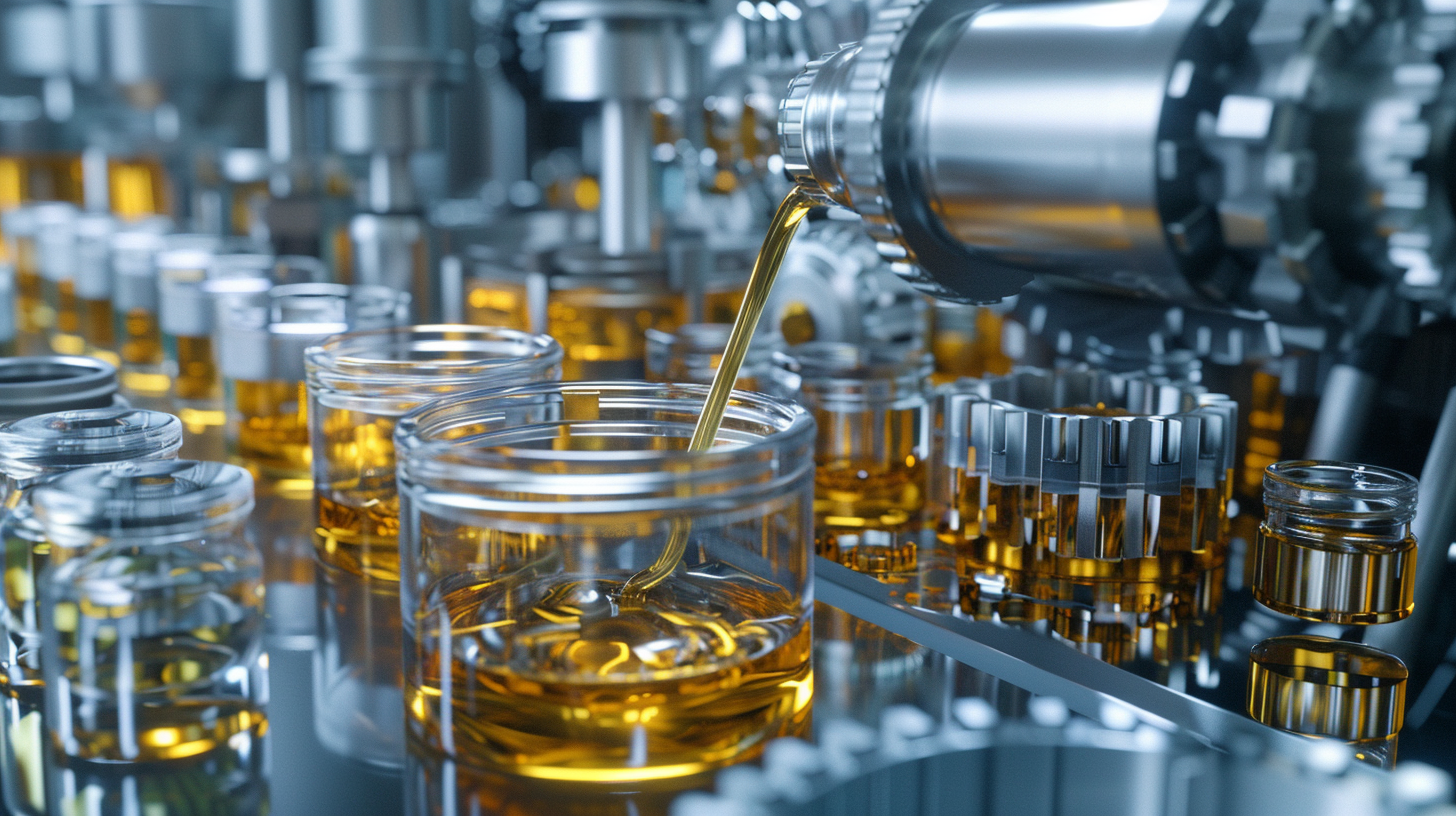
Silicone Oil is a synthetic liquid made up of a polymer of silicone, oxygen, carbon and hydrogen. It is clear, colorless and odorless in nature. It is also chemically stable, non-reactive and slippery making it a suitable choice for various industries.
Properties of Silicone Oils
Below stated are some of the key properties of silicone oils:
- Thermal Stability: Silicone oil possesses the ability to withstand both high and low temperatures without breaking down. It offers stability by keeping its performance in heat unlike other kinds of oils. Due to this property of silicone oil, it is used in various machines and equipment that operate at very high temperatures. Silicone oils can also remain fluid making it suitable for cold environments.
- Viscosity Range: The basic meaning of viscosity is the thickness or thinness of the liquid. Thus, silicone oil comes in various viscosity grades starting from very thin to very thick. Silicone oil with thin viscosity can flow very easily and is suitable for applications where smooth movement is needed. On other hand, silicone oil with thick viscosity is more suitable for applications requiring resistance and cushioning. Manufacturers can choose the correct type of silicone oil from the wide range of viscosity grades available in the market.
- Chemical Inertness: Silicone oil does not react with other chemicals easily. It is known for offering stability when it comes in contact with acids, bases or solvents. This makes it suitable for applications having sensitive processes where chemical reactions are must to avoid. The inert nature of silicone oil also minimizes the risk of contamination is various applications.
- Water Repellency: Silicone oil is repellent to water and does not mix with it. Thus, it is used to create a protective layer on surfaces that should remain dry. The water repellent properties of silicone oil also allow it to protect the equipment from moisture damage.
- Lubricating Behavior: Silicone oil also provides smooth lubrication to the moving parts. It reduces the friction and wear between them and helps the machines to run more efficiently. This lubricating ability of silicone oil remains effective for a long period of time and even under extreme pressure and heat.
Manufacturing Process of Silicone Oil
Below stated are the processes involved in the manufacturing of silicone oil:
- Raw Materials Used in the Production of Silicone Oil: The main raw material of silicone oil is silica. It is derived from sand which is rich in silica. This silicone is a combination of organic compounds that creates silicone-based materials. The quality of raw materials is an important factor in the purity and performance of the final silicone oil.
- Formation of Siloxane Chains: The next step of manufacturing process is reaction of silicone oil with methyl chloride under controlled conditions. These reactions tend to form intermediate compounds that are later converted into siloxanes. These siloxanes are considered a basic building block of silicon oil. They create a strong backbone from silicone-oxygen bond which makes silicone oil thermally stable and durable.
- Polymerization Process: In the next step, these siloxane compounds are mixed with water in a controlled environment. This process is known as polymerization. In this stage, siloxane units join together and form a long chain. The length of this chain tends to decide the thickness of the final product. If the controls are enforced carefully, the product can remain in liquid form and does not turn into a solid material.
- Purification and Viscosity Control: After the completion of polymerization process, the silicone oil is refined and purified to remove unwanted residues. Then, it is adjusted to specific viscosity grades based on the specific needs of the application. At last, it is tested to ensure its consistency, quality, stability and performance. Once the oil passes the test, it is supplied to various sectors such as industries, cosmetics, etc.
Industrial Applications of Silicone Oil
Below stated are some of the industrial applications of silicone oils:
- For Lubrication and Damping: Silicone oil is used widely in industrial sectors specifically for lubrication. It is known for providing smooth movements between the parts which reduces friction in machines. It also acts as a damping fluid. It allows the applications to absorb shock vibration.
- As a Heat Transfer Fluid: In many industrial processes, silicone is used as a heat transfer fluid as it carries and distributes the heat evenly. This property of silicone oil makes it ideal for ovens, dryers and temperature-controlled systems.
- As a Mold Releasing Agent: Silicone oil acts as a releasing agent in molding and casting operations. It creates a thin and slippery layer on the molds and makes it easy to remove the finished products. This leads to various benefits such as reduction of defects, shortening of cycles and improvement in the quality of the products. Silicone oil also works well with various materials like rubber, plastic and metals.
- For Defoaming in Industrial Processes: Silicone oil is also considered an effective defoamer in the scenarios where foam formation is a problem. Silicon oil helps to break the foam quickly and reliably and allows the process to run smoothly. The chemical stability and compatibility of silicone oil with various liquids make it an ideal choice for defoaming in various sectors.
Take AwayThis is a brief explanation about silicone oil, its properties, manufacturing process and industrial applications. We hope this information will be effective for you. Please let us know through your valuable feedback and the suggestion in the drop box.