
Introduction
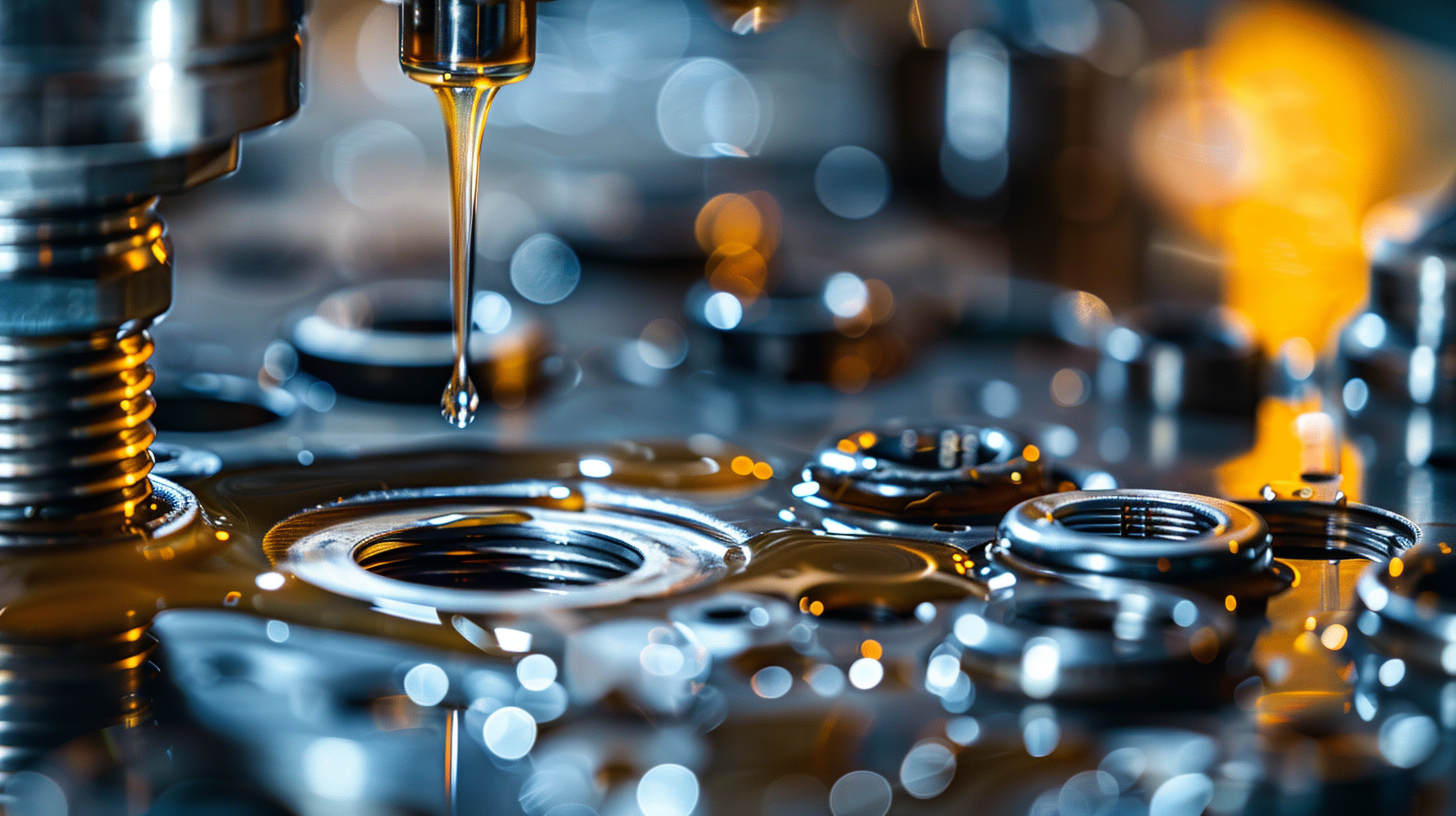
Silicone grease is used widely in both industrial and household applications due to its powerful properties. Silicone grease can resist water, extreme temperatures and chemicals as well. This makes it ideal for harsh conditions and expand its usage range to sectors such as automotive, plumbing, medical, electrical, etc. unlike other lubricants, silicone grease does not crack, swell or degrade when applied on materials like plastic and rubber. It is applied on different parts of machinery such as bearings, gaskets, O-rings and seals. The basic components of silicone grease are silicone oil, thickening agents and some additives.
Manufacturing Process of Silicone Grease
Below stated are the 3 key aspects of manufacturing process of silicone grease:
- Overview of Production Process: Silicone grease is manufactured by blending silicone oil and thickeners in the controlled environment. This mixture is heated and stirred constantly which leads to consistency in the performance. After this mixture is cooled down, it converts into a grease and is packaged.
- Quality Controls and Standards: Silicone grease is manufactured by keeping the strict quality control measures in mind. It is ensured that the grease meets the industry standards and offers reliable performance. In this process of quality control, various factors are tested such as consistency, temperature stability, resistance to water and dielectric properties.
- Environmental and Safety Considerations: Along with quality control, silicone grease is also manufactured by keeping environmental regulations and safety standards in mind. Manufacturers try to reduce the environmental impact of the silicone grease by implementing various measures and also work for the safety of workers and end-users.
Applications of Silicone Grease in Various Sectors
Below stated are some of the applications of silicone grease in various sectors:
- Automotive Sector: Silicone grease is used in the lubrication of various vehicle parts such as spark plug boots, door seals, hinges and rubber bushings. It has the ability to withstand hot temperatures without breaking down which makes it ideal for auto mechanics and DIYers to apply on engine parts of the vehicles.
- Electrical Applications: Silicone grease is also a great insulator of electricity. It is used to protect various electrical parts from dust, moisture and corrosion. It is mostly used to lubricate electric switches, connectors and terminals and prevent them from damage.
- Plumbing Applications: Silicone grease is used in the lubrication of gaskets, O-rings and other rubber components by the plumbers. This is because silicone grease prevents the leaks by creating a watertight seal during the lubrication. It also protects those metal components from corrosion.
- Medical Applications: Silicone grease is used in the medical sector due to its inert and non-toxic nature. It is used in appliances such as catheters and surgical instruments.
- Household Applications: Silicone grease can be used in household applications such as door hinges, drawer slides and window tracks. It is also applied on metal surfaces of bike chains and tools. It prevents those surfaces from corrosion and rust.
- Sports and Leisure: Silicone grease is used in sport equipment such as treadmills, bicycles and inline skates. The lubrication of this equipment ensures their smooth operation and increases the comfort for the users.
- Waterproof Applications: Silicone grease is also considered ideal for sealing shower stalls, bathroom taps, and swimming poo systems. Silicone grease has the ability to resist the water which prevents leaks and protects the components from moisture.
Household Applications of Silicone Grease
Silicone grease has a wide range of uses due to its versatility and environmental friendly nature. It can be used for almost everything. In the household applications, silicone grease is mostly used to grease door hinges and get rid of the creaky mechanism. Apart from that, silicone-based sealants used to grease windows and doors. Silicone-based sealants are water repellent which makes it ideal for protecting electrical appliances from moisture. It is also used to pull the cables safely through the pipes. Even in tourism, silicone grease is used for hiking equipment, tool clothes and shoes, backpacks and tents. It can also be used for greasing the sewing machine.
Advantages of Silicone Grease
Below stated are some of the key advantages of silicone grease:
- It possesses excellent water-resistant capacity.
- It has high temperature resistance.
- It is highly durable.
- It is a multipurpose application and has variety of usage.
- It is compatible with different substances.
Difficulty While Handling Silicone Grease
Though silicone grease is a versatile material and is used in various sectors for a variety of applications, it has few limitations which makes it difficult to handle at some points. These are:
- It is messy in nature which makes it difficult and irritating to handle.
- It has a limited load bearing capacity.
- It is difficult to wash off properly from the clothes if stained.
- It is comparatively more expensive than other normal grease available in the market.
When To NOT Use the Silicone Grease
Silicone grease should not be used on electrical connections even though it is dielectric. If the silicone grease is applied on electrical contacts, it can insulate them and affect their conductivity. Thus, it is advisable NOT to choose silicone grease for electrical lubrication to avoid any kind of complications.
Take Away
This is the brief explanation about silicone grease, its manufacturing process, uses across various industries, advantages and disadvantages. We hope this information will be effective for you. Please let us know through your valuable feedback and the suggestion in the drop box.